
Low-Wage Workers and the Reach of #MeToo
She SaidThis flow follows the book’s move beyond celebrities to workers whose economic vulnerability made reporting harassment especially difficult.
increasing Bearing strength in each event
 decreasing
Bearing strength in each eventdecreasingA Wider Reporting Project
A Wider Reporting Project
Looking beyond Hollywood
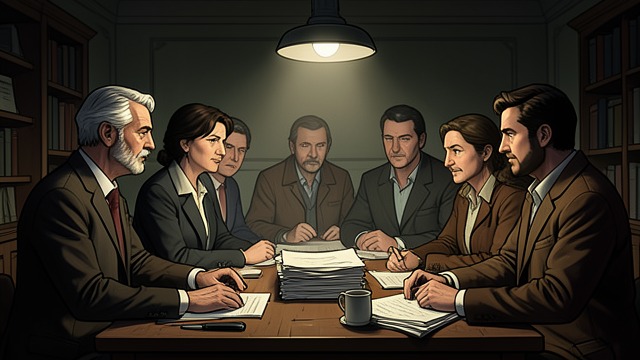
After the O’Reilly reporting, The New York Times assembled journalists to examine harassment in multiple industries, including restaurants, construction, and low-wage workplaces.
Different conditions, shared imbalance
The reporters found that harassment took distinct forms across jobs. Economic pressure and limited recourse often made lower-paid workers more vulnerable than professionals with public visibility.
The Limits of Formal Law

The Limits of Formal Law
Narrow protections
The book describes gaps in federal harassment law, short filing deadlines, capped damages, and limited access to remedies for some workers. These limits made settlements attractive but could also preserve secrecy.
Unequal ability to act
Workers who depended on a paycheck faced the risk of retaliation and unemployment. A right on paper did not necessarily provide an accessible way to report misconduct.
Kim Lawson’s Experience

Kim Lawson’s Experience
Harassment across settings
Kim Lawson described predatory treatment by a landlord and later by coworkers at McDonald’s. She was uncertain whom to contact and feared that escalating the workplace complaint could provoke retaliation.
No clear route to help
Lawson said she had not received training that explained her options. Her account showed how policy can fail when workers do not know where to turn or believe that reporting will help.
A Collective Protest
A Collective Protest
Workers organize
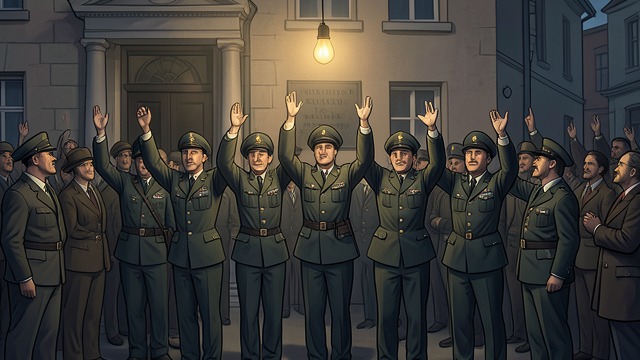
McDonald’s employees held a coordinated walkout to protest harassment and weak workplace responses. Lawson participated in a movement that connected local complaints with national public attention.
A new kind of power
Lawson described feeling power in filing a complaint and marching with supporters. The action offered solidarity and visibility that individual employees often lacked.
Progress Still Uncertain

Progress Still Uncertain
Public recognition
At the gathering, Lawson had become a leader among workers, advising others and speaking publicly. The experience gave her new authority beyond the workplace.
Policy must reach the store
McDonald’s announced changes, including training and reporting resources, but Lawson had not yet seen those changes at her own location. Visibility was meaningful, but implementation remained the test.
Summer 2017
2017 to 2018
2015 to 2018
September 2018
January 2019
